

What Is Parkinson's Disease? What Are Its Symptoms? Is There a Treatment?
Parkinson's disease is a chronic and progressive movement disorder that results from dysfunction of neurons in the brain. Some of the affected neurons produce dopamine, a chemical that sends messages to parts of the brain that control movement and coordination. As Parkinson's progresses, the amount of dopamine in the brain decreases, leaving patients unable to control their movements.
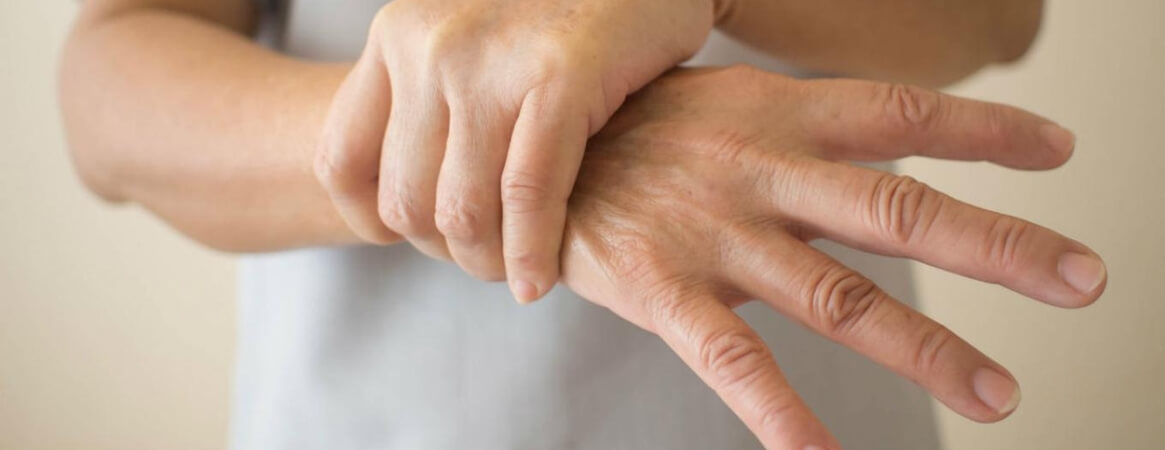
What Is Parkinson's Disease?
As dopamine levels in the brain decrease, patients' ability to initiate and control movement becomes impaired.
Because Parkinson's disease develops gradually, it often begins with a resting tremor in one hand or a loss of facial expression (hypomimia). Over time, tremor may appear in the other arm or legs. Although there is no definitive cure for Parkinson's disease, various medications and therapies are used that can reduce symptoms and significantly improve quality of life. In some patients, particularly those with dominant tremor, deep brain stimulation (DBS) may be applied. For this reason, patients need to be under regular follow-up, with medications adjusted individually according to disease progression. The physician-patient relationship plays a very important role in this process.
What Are the Symptoms of Parkinson's Disease?
Although Parkinson's symptoms vary from person to person, there are four major motor symptoms:
- Tremor in the hands, arms, legs, or jaw
- Muscle rigidity in the arms, legs, or trunk
- Bradykinesia (slowness of movement) and hypomimia (loss of facial expression)
- Postural instability (loss of reflexes) or impaired balance and coordination
Patients with Parkinson's disease may also experience other symptoms such as:
- Severe fatigue or sleep disturbances
- Chronic pain
- Fear, anxiety, or depression
- Dementia or confusion
- Constipation or urinary problems
What Causes Parkinson's Disease?
As with many neurological conditions, the exact cause of Parkinson's disease is not yet fully understood. However, researchers know that various factors play a role in its development.
Genetics
Although Parkinson's disease is not directly inherited, several genes have been discovered that can lead to the disease in a small portion of the population. Nevertheless, having a parent with Parkinson's disease somewhat increases the likelihood of developing the condition. In some familial forms, Parkinson's symptoms may appear at a very early age.
Environmental Triggers
Although the risk is small, early exposure to certain toxins or environmental factors may increase the chance of developing Parkinson's disease.
How Is Parkinson's Disease Treated?
Although there is no definitive cure for Parkinson's disease, symptoms can be controlled with medications, lifestyle changes, and physical therapy. Parkinson's medications increase dopamine levels, helping to manage tremor, improve movement control, and assist patients with normal walking.
Over time, the effectiveness of these medications may diminish. When this occurs, deep brain stimulation or other surgical options may be the best way to alleviate symptoms.